E-Commerce Website
E-Commerce Website
Brand Guidelines
Brand Guidelines
Bespoke Design System

Yamaha

Yamaha

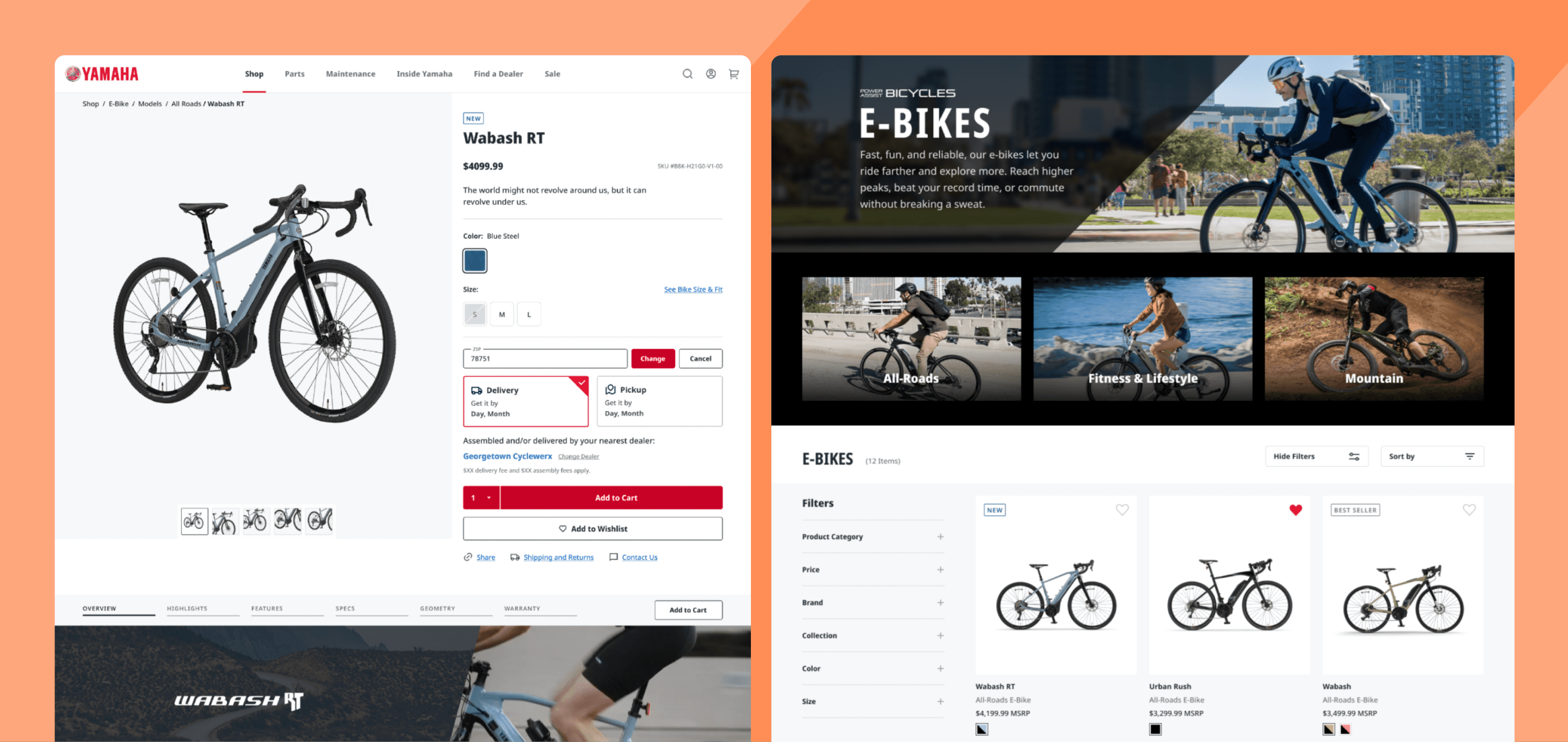
Overhauling the massive e-commerce site for this global brand needed attention to every little detail. And starting from scratch allowed us to build these details at the atomic level.

Overhauling the massive e-commerce site for this global brand needed attention to every little detail. And starting from scratch allowed us to build these details at the atomic level.

Discovery

  • Heuristics testing
  • UX/UI Audit

  • Competitive Analysis

  • User Interviews

  • Stakeholder Workshops

  • Roadmap Creation

  • Heuristics testing

  • UX/UI Audit

  • Competitive Analysis

  • User Interviews

  • Stakeholder Workshops

  • Roadmap Creation

Foundations

  • Navigation + Site structure
  • Forming the Design Language System

  • Account creation / login flow

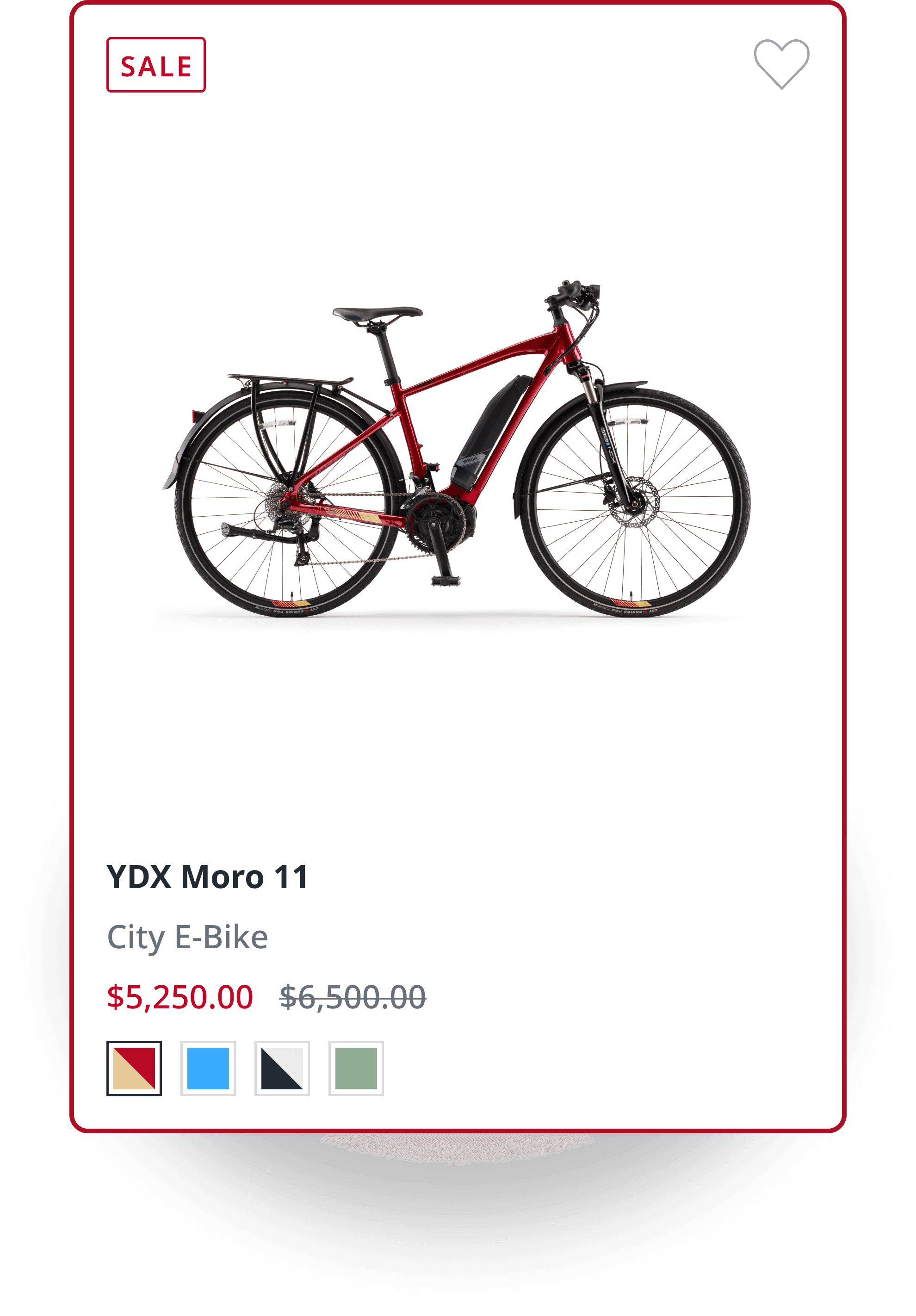
  • Product & Category Display Pages

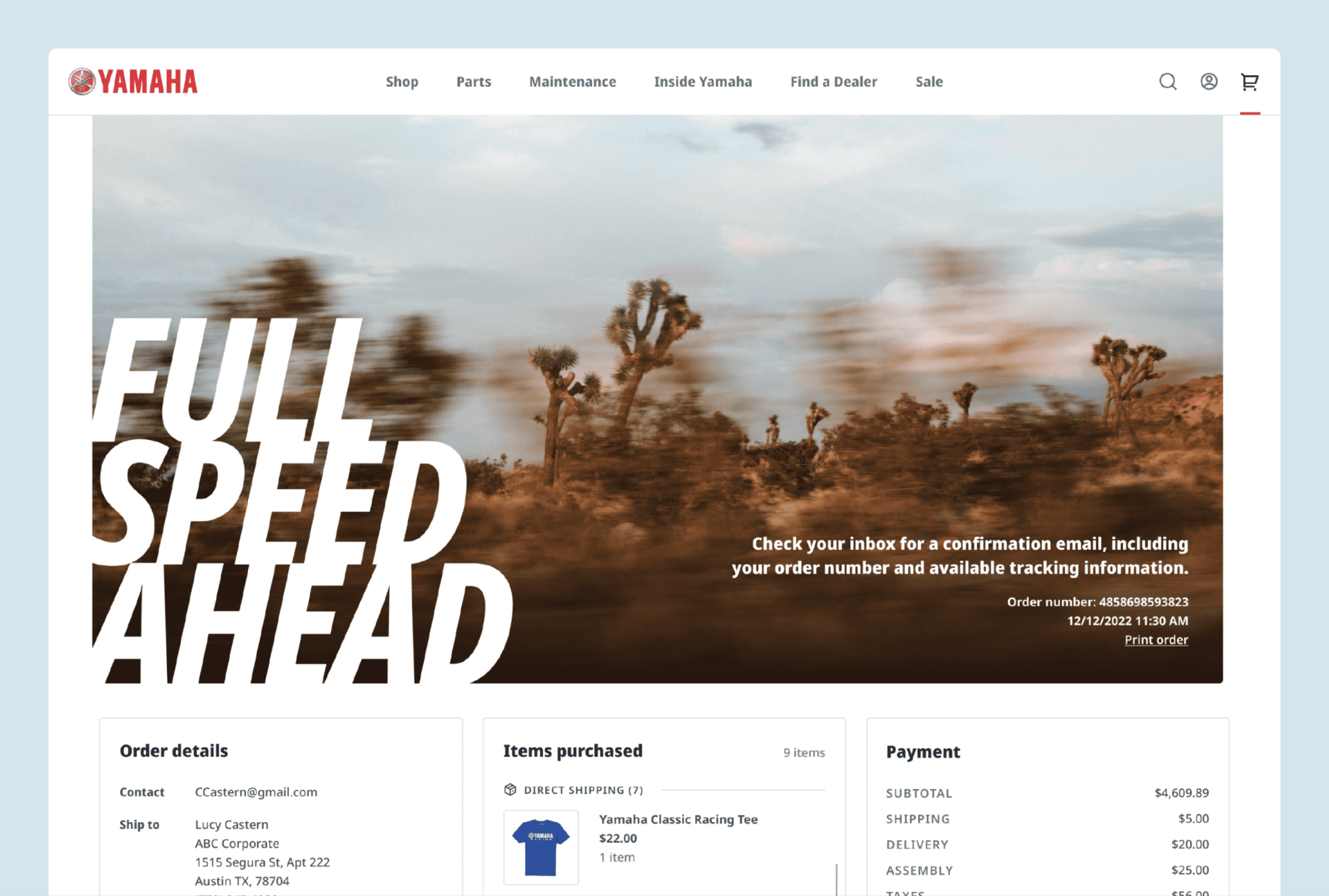
  • Checkout flow

  • Dealer Locator

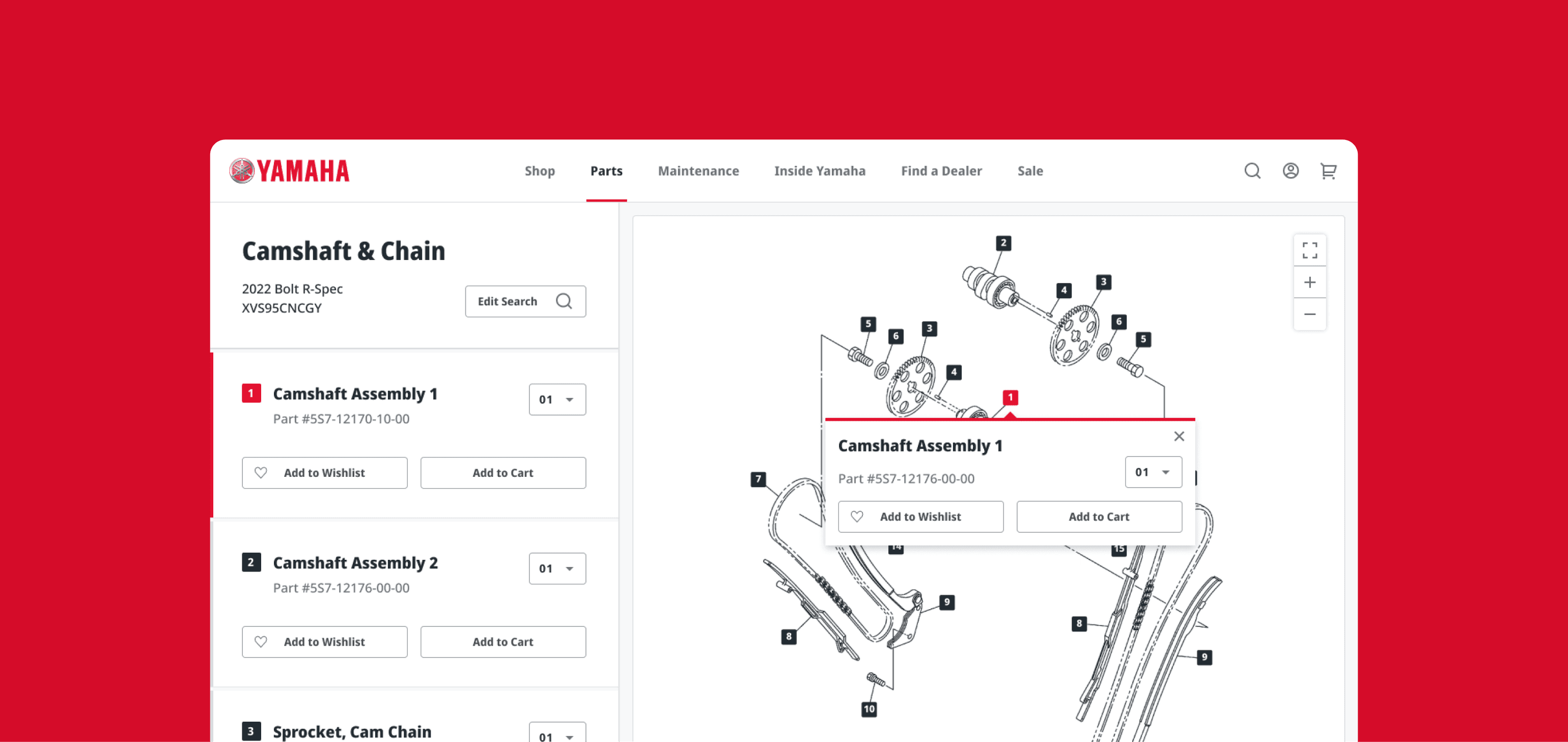
  • Parts Lookup

  • MVP E-Commerce launch

  • Navigation + Site structure

  • Forming the Design Language System

  • Account creation / login flow

  • Product & Category Display Pages

  • Checkout flow

  • Dealer Locator

  • Parts Lookup

  • MVP E-Commerce launch

Enhancements

  • Branded moments
  • Micro interactions

  • Page animations

  • Photo library

  • Owners Center

  • Full E-Commerce design

  • Branded moments

  • Micro interactions

  • Page animations

  • Photo library

  • Owners Center

  • Full E-Commerce design

Disjointed
Business Units

Disjointed
Business Units

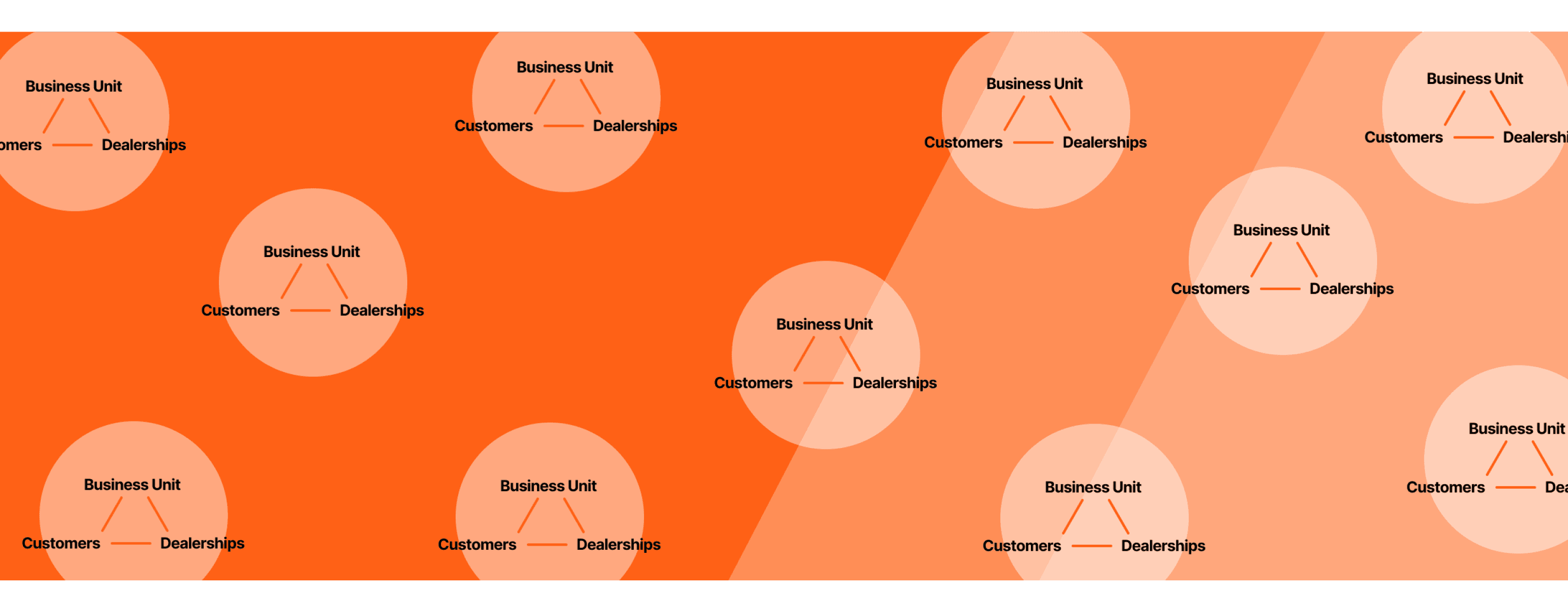
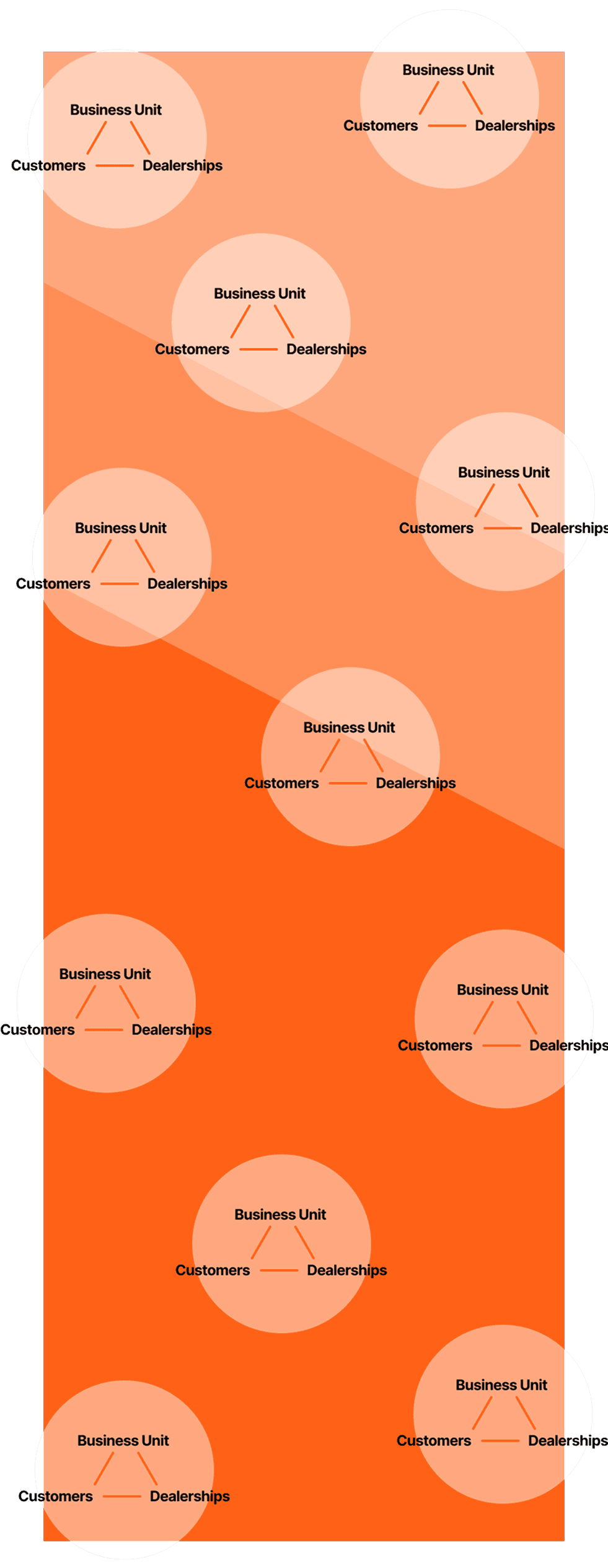
Throughout the Yamaha ecosystem, individual business units historically had different data collection processes, sources, and infrastructure - resulting in a disjointed and confusing experience for users across Yamaha sites.

There was a need to define how individual business units could operate within the One Yamaha digital ecosystem, all while maintaining their individuality and flexibility.

Throughout the Yamaha ecosystem, individual business units historically had different data collection processes, sources, and infrastructure - resulting in a disjointed and confusing experience for users across Yamaha sites.

There was a need to define how individual business units could operate within the One Yamaha digital ecosystem, all while maintaining their individuality and flexibility.

Abandoned Carts

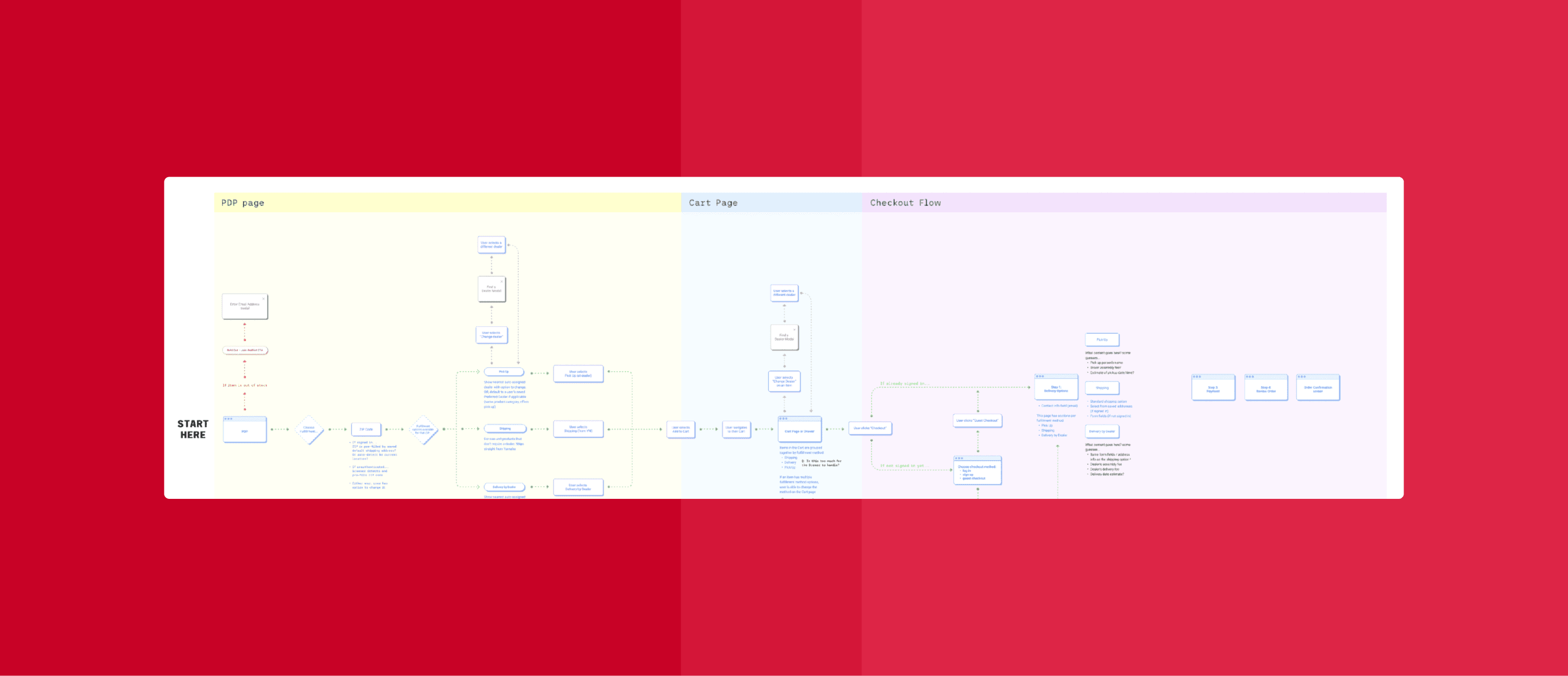
A primary point of friction in the legacy Yamaha ecosystem was that users could not complete transactions. This resulted in consumers spending time on the website finding products, adding them to the cart as a reference list, and ultimately making their purchase elsewhere.

A primary point of friction in the legacy Yamaha ecosystem was that users could not complete transactions. This resulted in consumers spending time on the website finding products, adding them to the cart as a reference list, and ultimately making their purchase elsewhere.

Low Scores

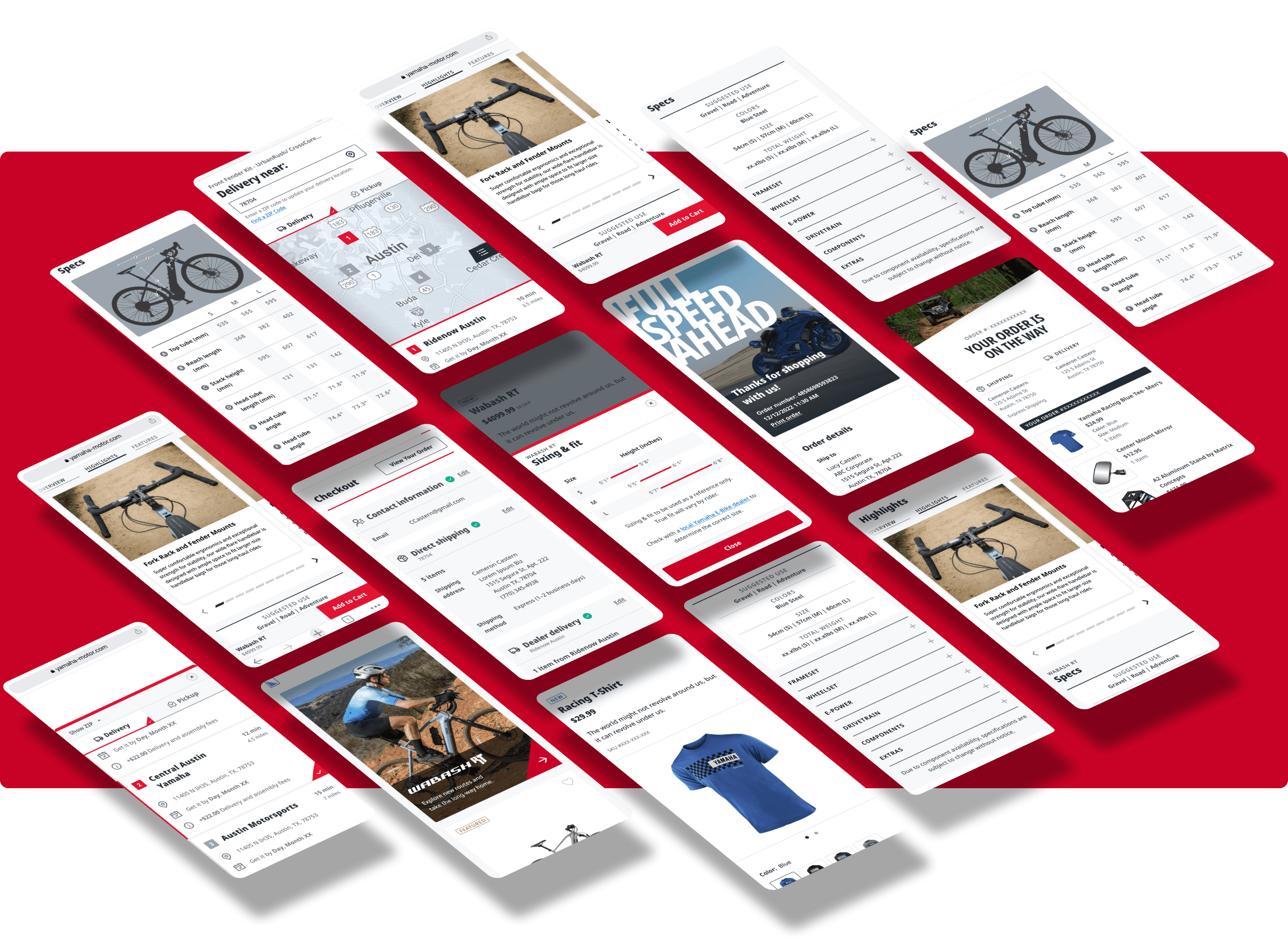
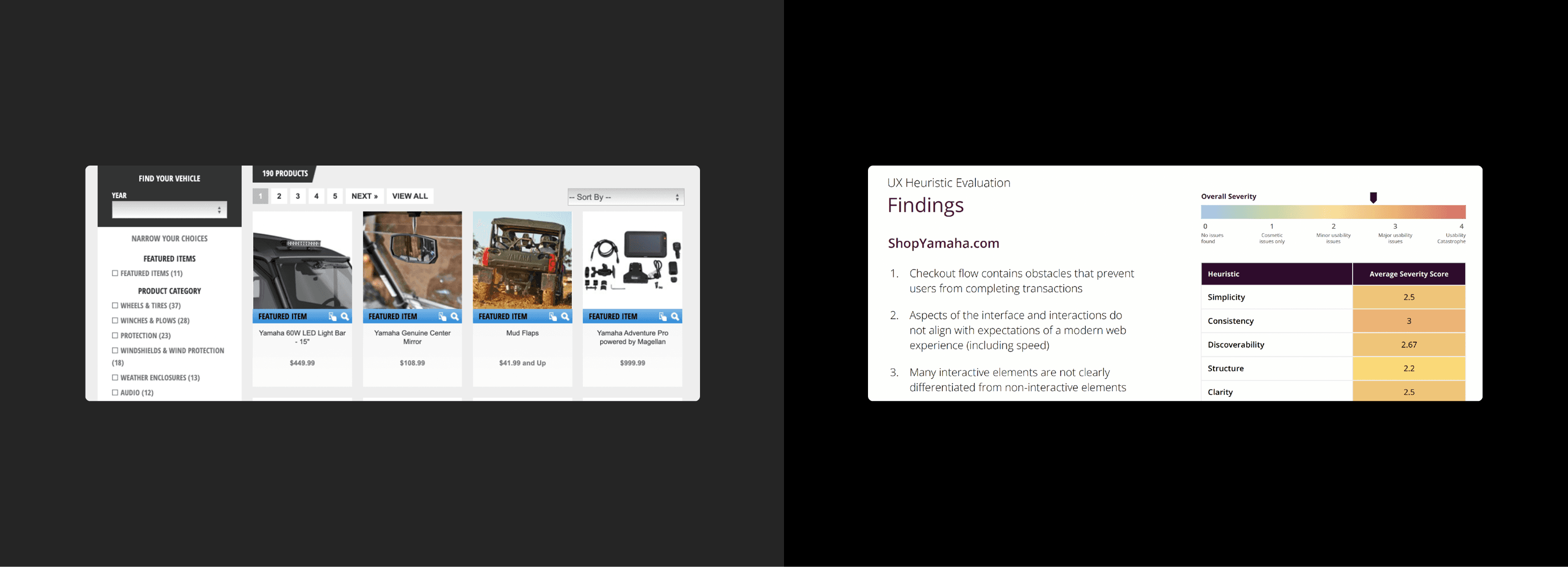
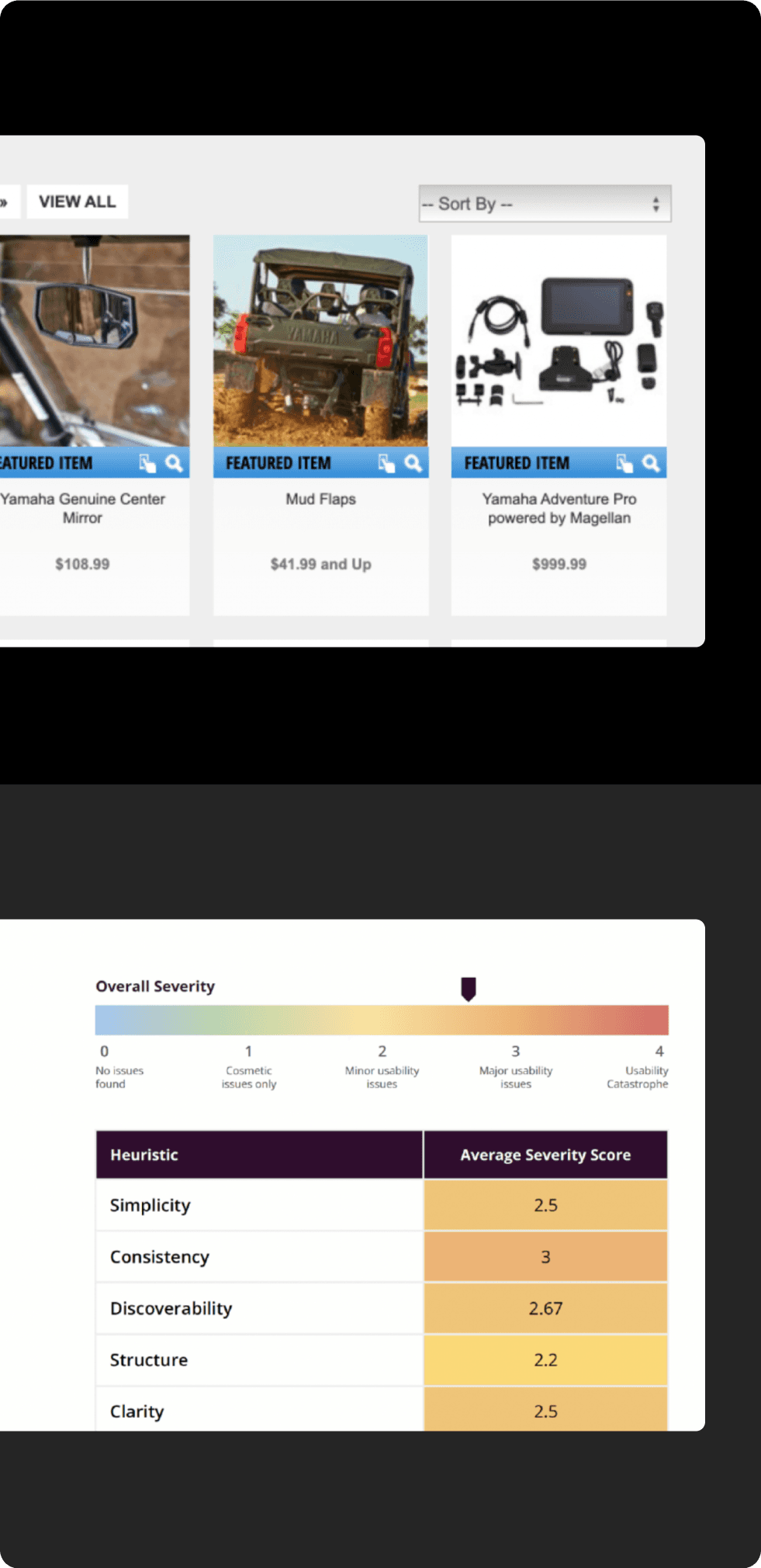
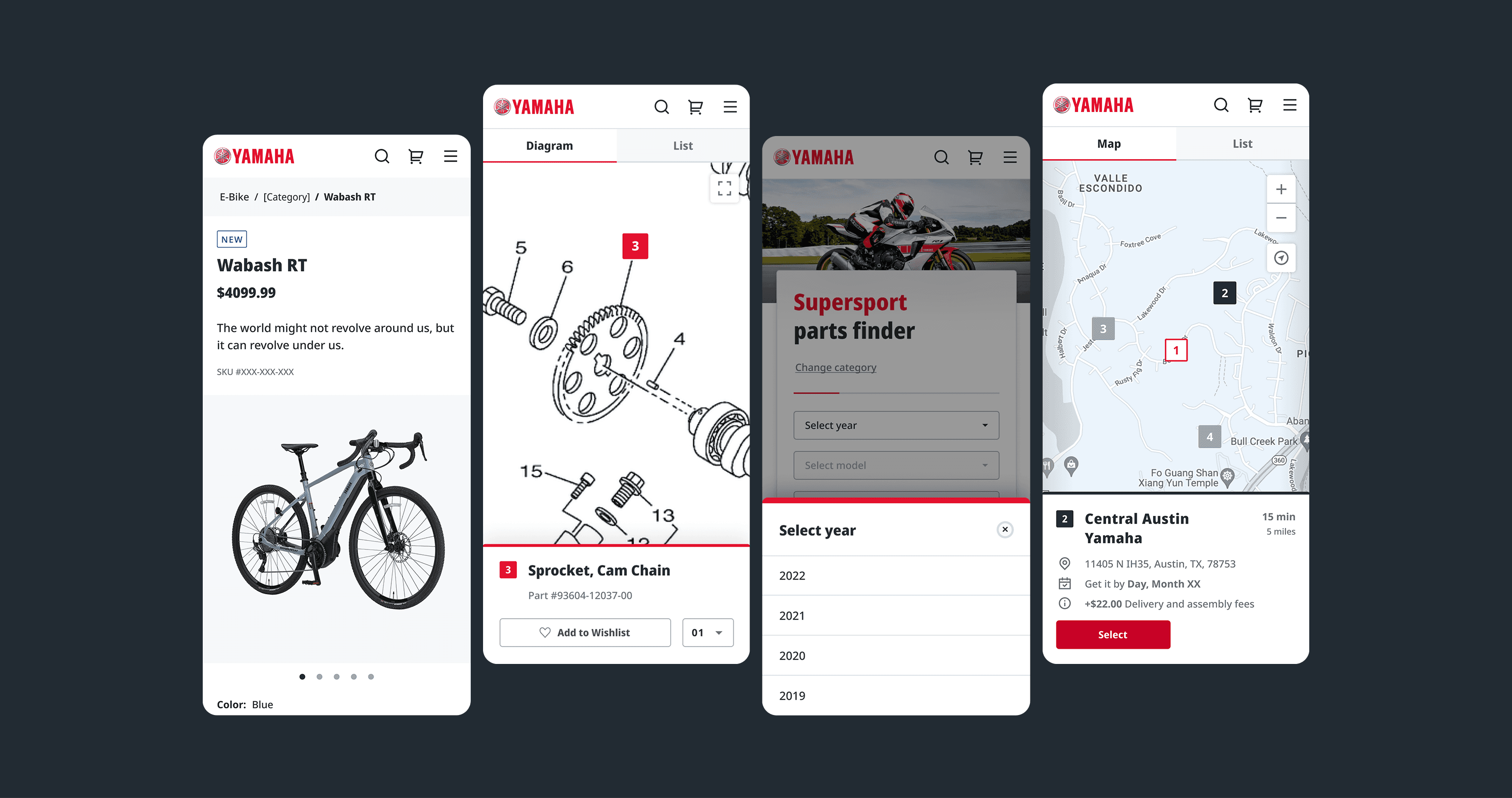
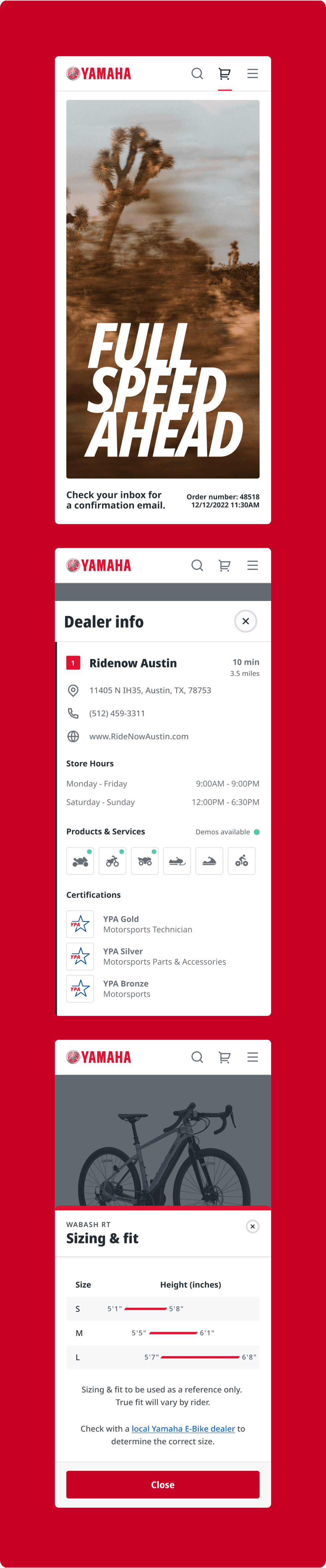
After a thorough review of the legacy website, we found dozens of areas of opportunity. The checkout flow needed a lift, all screen needed optimizing for mobile usage, and there were dead-ends on dealer contact pages. These are just
a few of the focal points we built upon in our engagement.

After a thorough review of the legacy website, we found dozens of areas of opportunity. The checkout flow needed a lift, all screen needed optimizing for mobile usage, and there were dead-ends on dealer contact pages. These are just
a few of the focal points we built upon in our engagement.

Connecting Paths

Connecting Paths

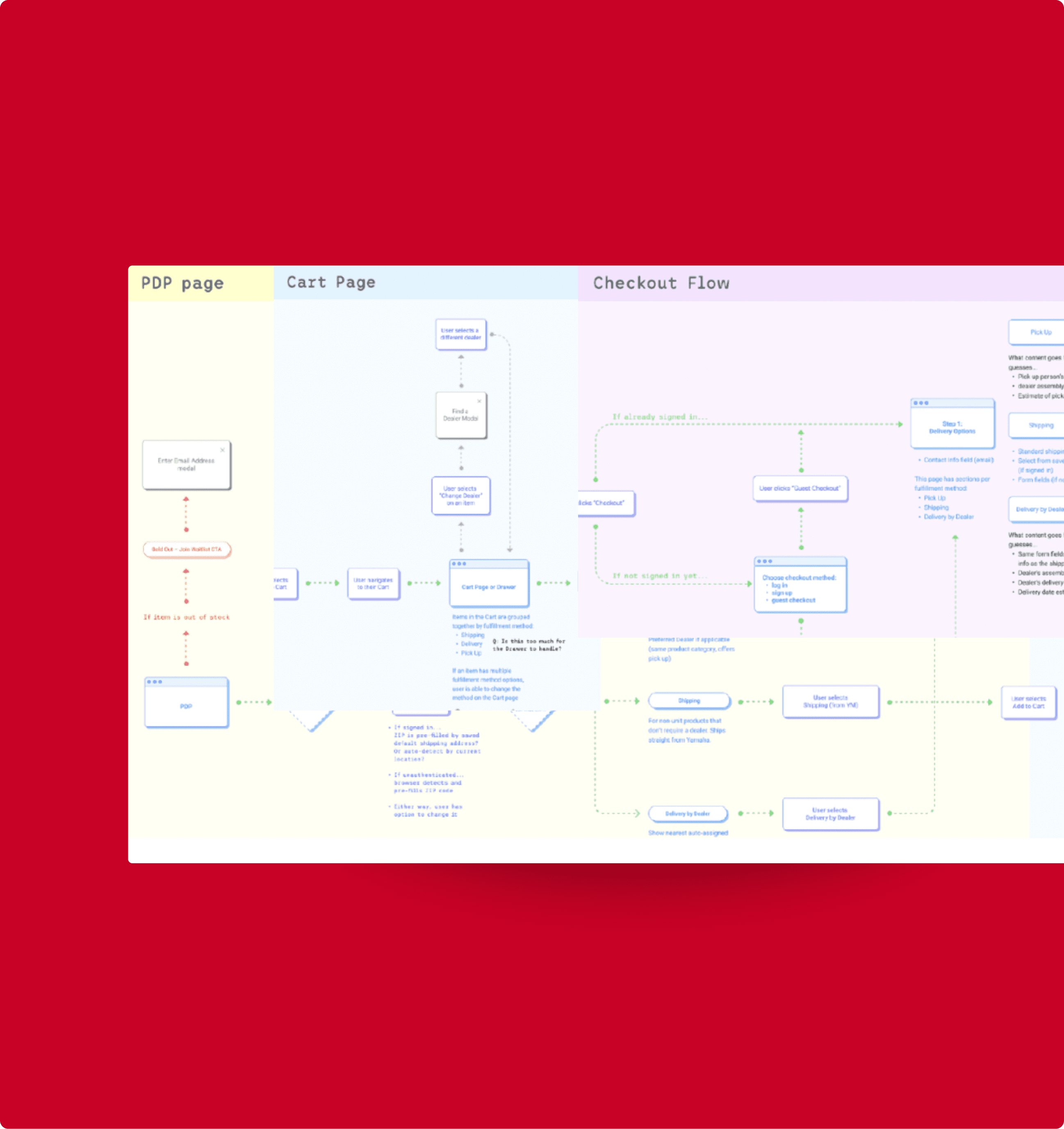
It was important to design flows and connection points that could scale to any type of consumer and guide them through their unique journey. We wanted to make sure we covered those who knew exactly what they were looking for before they entered the site, as well as others looking for inspiration. For the latter, our designs need to encourage them through the sales process.

It was important to design flows and connection points that could scale to any type of consumer and guide them through their unique journey. We wanted to make sure we covered those who knew exactly what they were looking for before they entered the site, as well as others looking for inspiration. For the latter, our designs need to encourage them through the sales process.

Atomic Design

Atomic Design

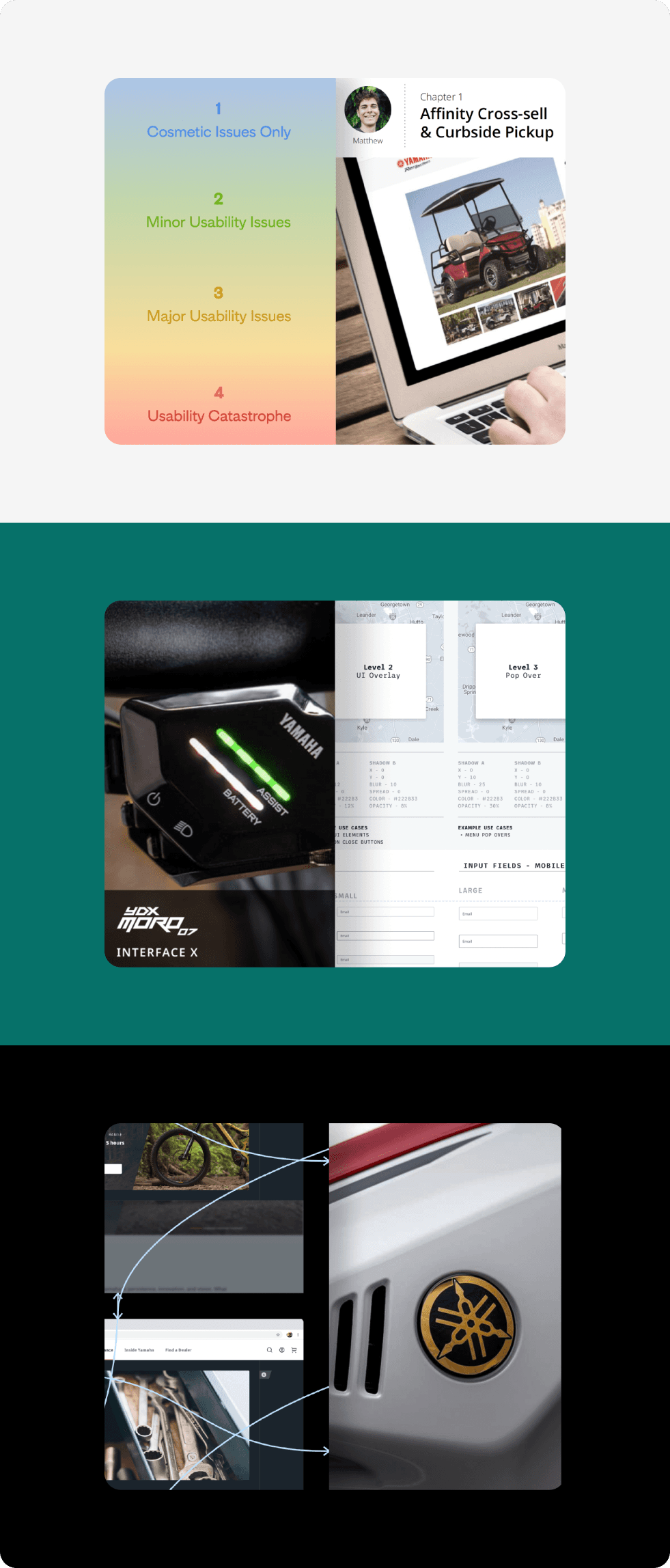
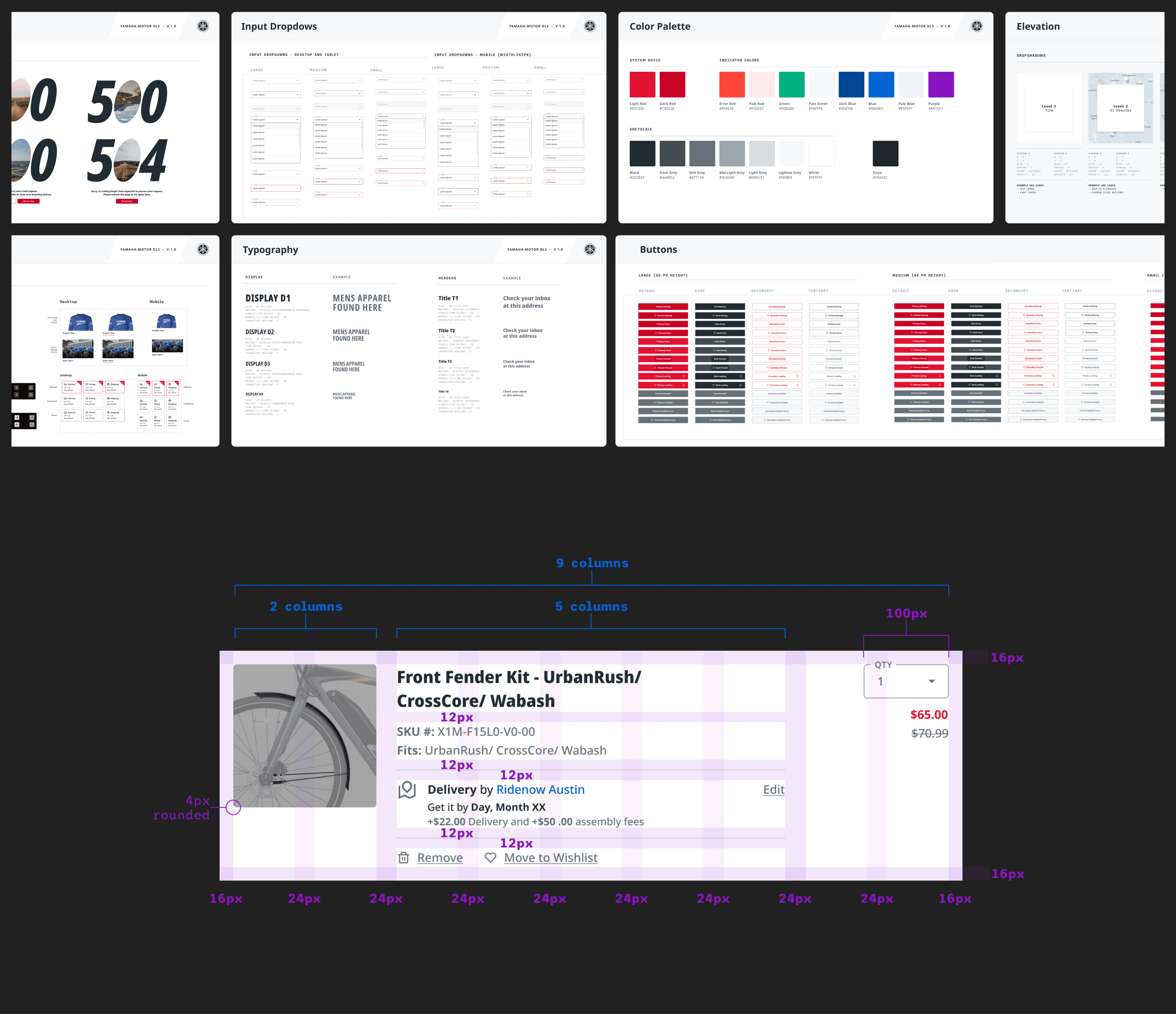
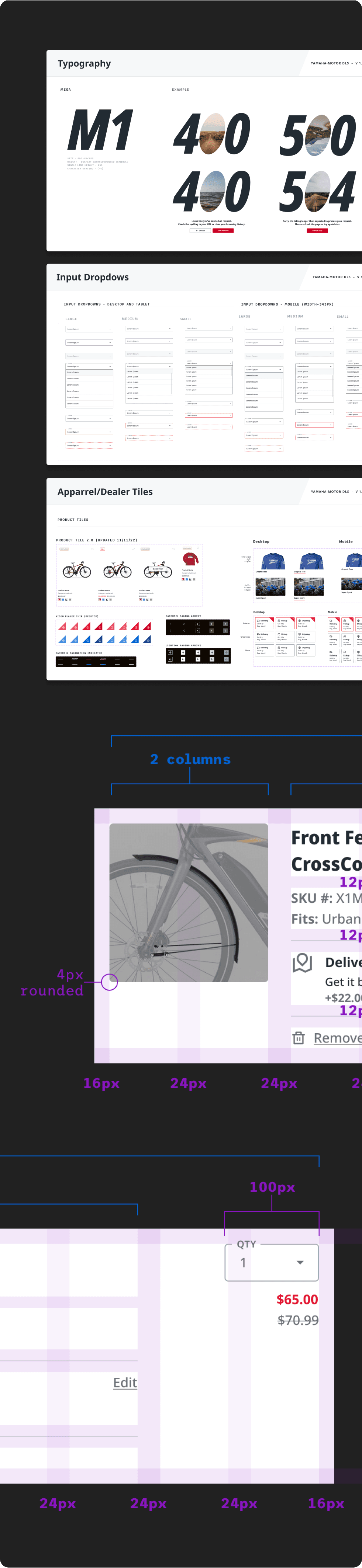
Buttons, backgrounds, dropdowns, dropshadows, etc. These are some of the most basic (atom-sized) elements in our design system language. Thus, they were the first to be created as they established the backbone for larger components in the future builds.

Buttons, backgrounds, dropdowns, dropshadows, etc. These are some of the most basic (atom-sized) elements in our design system language. Thus, they were the first to be created as they established the backbone for larger components in the future builds.

Final Designs

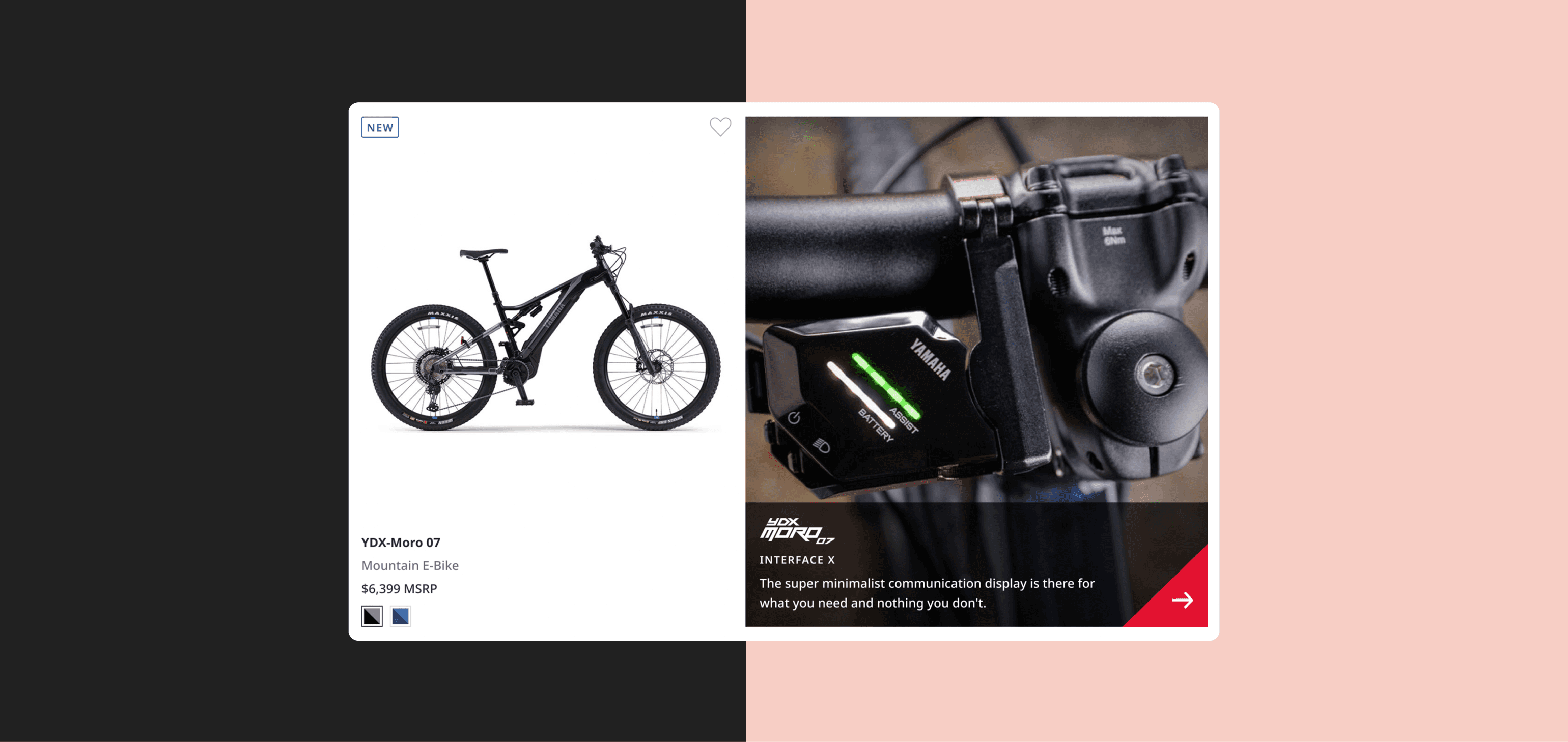
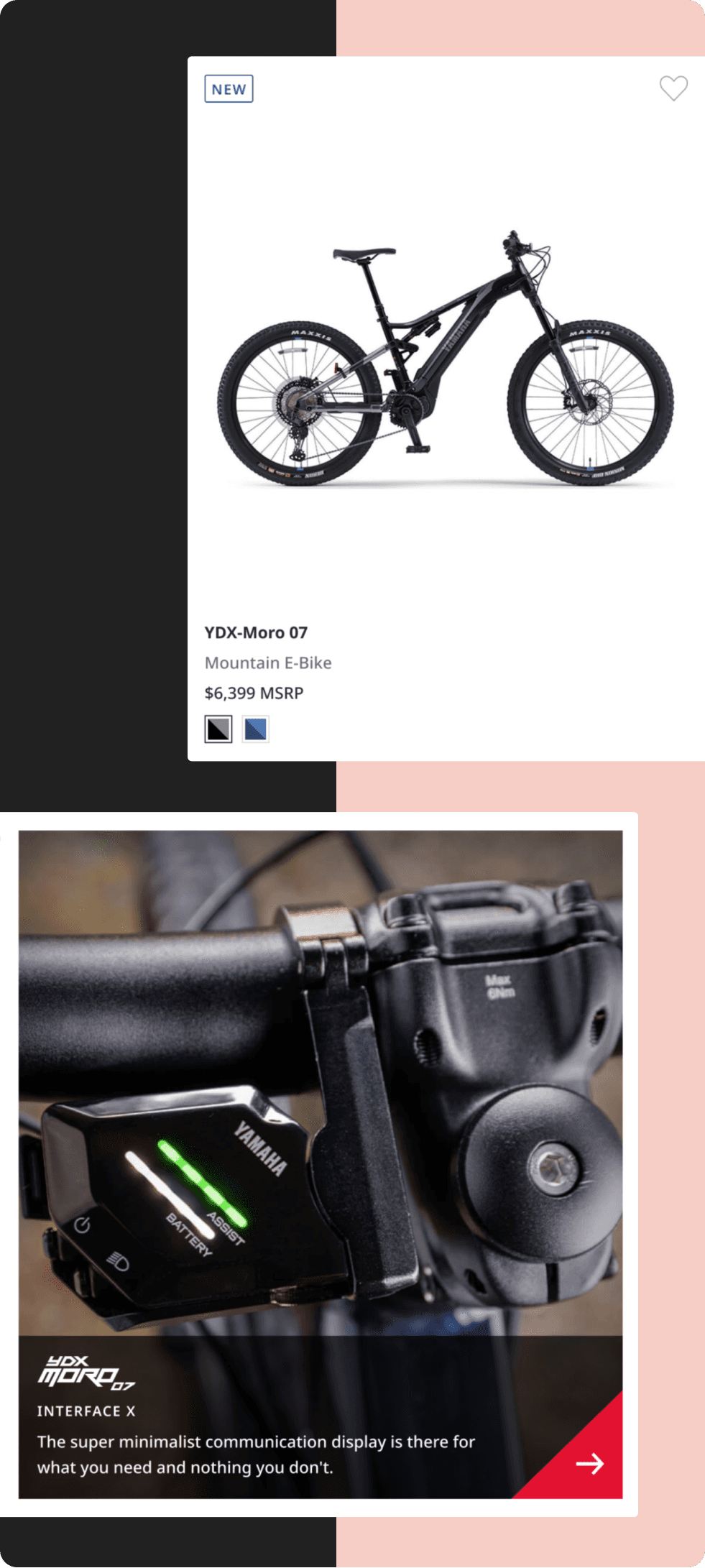
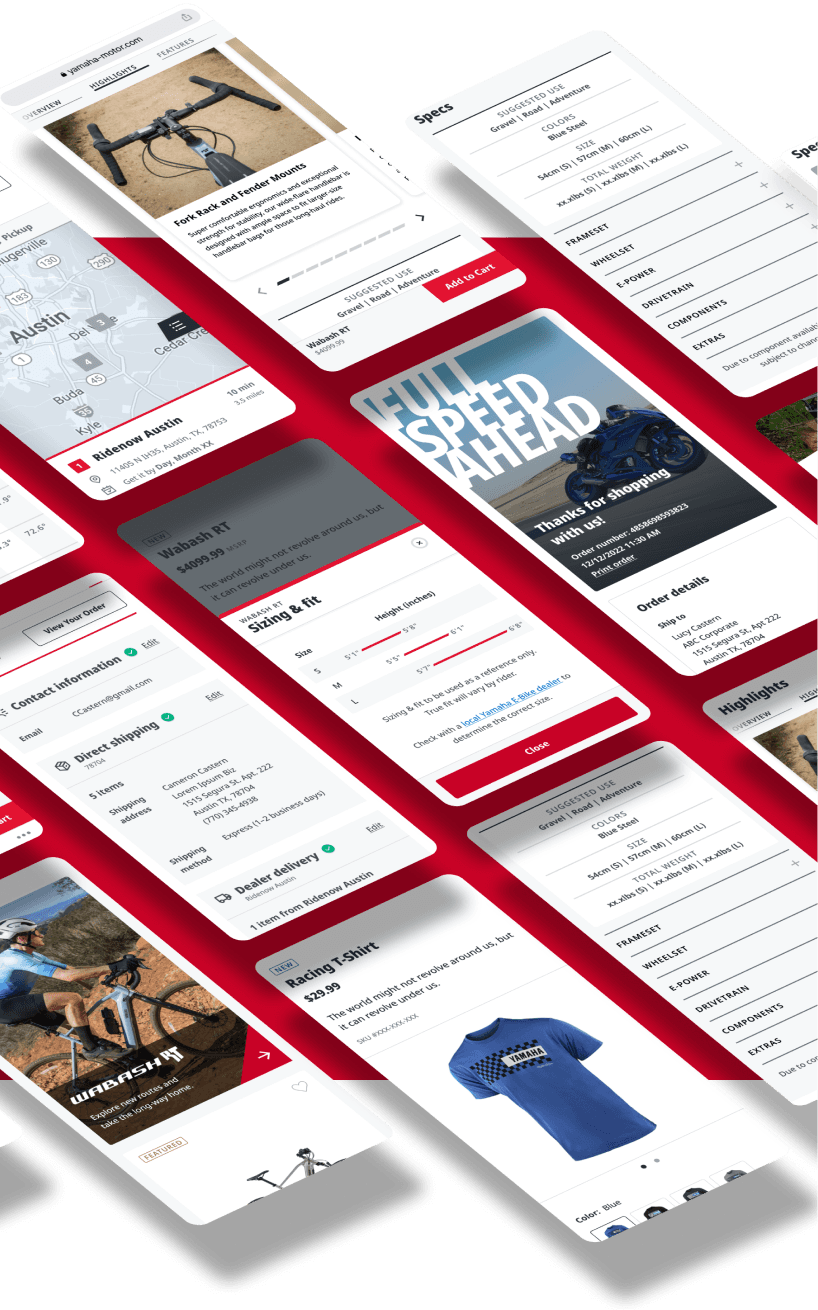
Pixel-perfection was the standard we held our team to, and connected with the development team to ensure they had complete annotations. Everything connected back to our design system language.

We kept in constant contact with the client via weekly presentations to showcase our progress. Our expertise in the design space blended with their knowledge of the internal business structure, resulting in a harmonious feedback loop and final construction.

Pixel-perfection was the standard we held our team to, and connected with the development team to ensure they had complete annotations. Everything connected back to our design system language.

We kept in constant contact with the client via weekly presentations to showcase our progress. Our expertise in the design space blended with their knowledge of the internal business structure, resulting in a harmonious feedback loop and final construction.